
Estate Disputes & Litigation
The administration of an estate does not always proceed smoothly. Disagreements can arise between executors, administrators, beneficiaries and other people who have an interest in the estate. In some cases, a dispute can be resolved through discussion or negotiation, while more complex matters may require formal legal proceedings.
Estate disputes can involve questions about how an estate is being administered, whether assets should be distributed, the conduct of an executor or administrator, or the rights of beneficiaries. Some disputes may also involve trusts or claims arising from the deceased’s estate.
SWM Solicitors can provide advice on estate disputes and litigation, helping clients understand their legal position and the options available to resolve the matter.
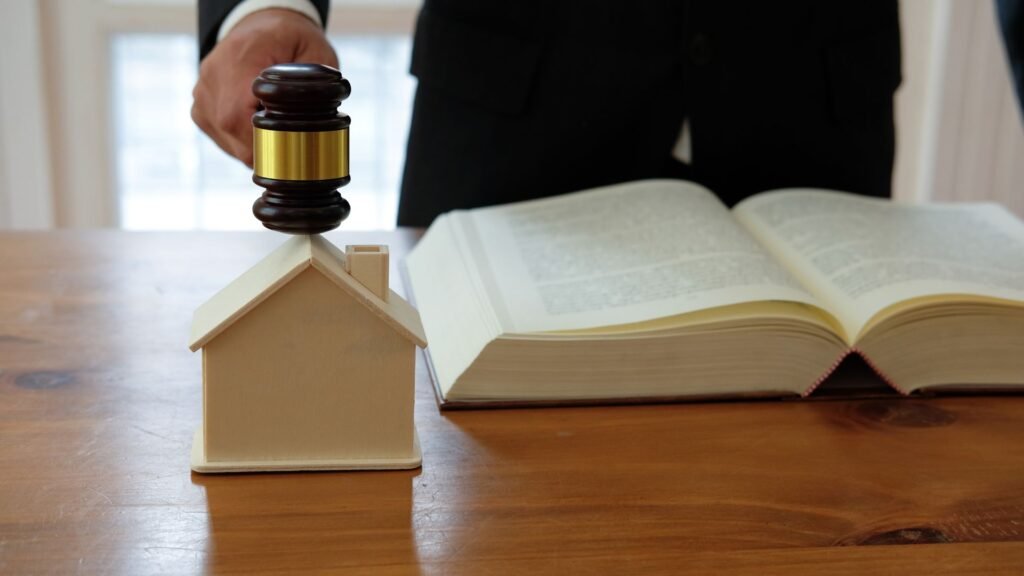
Understanding Estate and Probate Disputes
Estate and probate disputes can arise when disagreements develop over a Will, the administration of an estate or the rights of beneficiaries and other interested parties. The appropriate approach depends on the nature of the dispute, the responsibilities of those involved and the relevant legal requirements.
Disputes About Estate Administration and Claims
Estate Administration Disputes
Estate administration disputes concern disagreements about how an estate is managed, including the identification and valuation of assets, payment of liabilities and distribution to beneficiaries. Reviewing the administration process can help identify the source of the dispute and determine the appropriate steps to address it.
Estate Claims
Estate claims may arise where someone questions their entitlement to assets, seeks financial provision or raises concerns about the actions of an executor or administrator. The appropriate legal route depends on the circumstances and whether the claim concerns a Will, estate administration or an individual’s rights.
Legal Proceedings Concerning Estates and Trusts
Probate Litigation
Probate litigation involves formal legal proceedings concerning disputes over Wills, probate or the administration of estates. Proceedings may concern the validity or interpretation of a Will, testamentary provisions or disagreements that cannot be resolved through negotiation or alternative dispute resolution.
Trust Litigation
Trust litigation involves disputes concerning the interpretation or administration of trusts connected with an estate or inheritance. Issues may include disagreements between trustees and beneficiaries, the management of trust assets or questions about the legal duties and powers of trustees.
Disputes Over Estate Assets
Estate disputes can sometimes centre on particular assets rather than the estate as a whole.
Property, bank accounts, investments, business interests and valuable personal possessions can all become sources of disagreement.
Questions may arise about ownership, valuation or whether an asset should form part of the estate. Jointly owned assets can also require careful consideration because the way ownership is structured may affect what happens when one owner dies.
Obtaining legal advice can help establish the relevant ownership position and determine whether further investigation is necessary.


Delays in Estate Administration
Beneficiaries can become concerned when an estate appears to be taking too long to administer.
Some estates naturally take considerable time to complete, particularly where there are numerous assets, tax matters, property sales or legal disputes. However, concerns can arise where there appears to be an unexplained or unreasonable delay.
The reasons for the delay should be established before deciding what action to take.
Where appropriate, beneficiaries may be able to seek information about the administration or take further steps to address concerns regarding the conduct of the personal representatives.
Disputes Between Co-Executors
Having more than one executor can sometimes create difficulties where the individuals disagree about how an estate should be administered.
Co-executors may have different views about property, investments, distributions or other decisions concerning the estate.
Where communication breaks down, the administration can become delayed and beneficiaries may also be affected.
Legal advice can help co-executors understand their respective responsibilities and consider whether the disagreement can be resolved without formal proceedings.
Resolving Estate Disputes
Court proceedings are not always the first or most appropriate option for an estate dispute.
Depending on the circumstances, the parties may be able to resolve their differences through correspondence, negotiation or mediation. Reaching an agreement can sometimes save time and legal costs while avoiding the uncertainty associated with litigation.
Mediation can be particularly useful where family relationships have been affected by the dispute, as it provides a structured opportunity for the parties to discuss their positions with the assistance of an independent mediator.
However, where the dispute cannot be resolved voluntarily, formal proceedings may be necessary.
Preparing for Litigation
Where court proceedings are being considered, it is important to understand the nature of the claim and the evidence required to support it.
Relevant documents may include the Will, previous Wills, estate accounts, financial records, property documents, correspondence and other evidence concerning the administration of the estate.
The potential costs, risks and likely objectives of the proceedings should also be considered before taking formal action.
Early legal advice can help identify the issues in dispute and determine whether litigation is necessary.
Protecting Your Position
If you are involved in an estate dispute, delaying action can sometimes make matters more difficult.
Important documents and evidence may need to be preserved, and there may be procedural requirements or deadlines associated with particular types of claims.
Beneficiaries should also be cautious about accepting or signing agreements concerning their inheritance without understanding the legal implications.
Executors and administrators likewise need to consider their responsibilities before distributing estate assets where a dispute or potential claim exists.
Estate Disputes and Family Relationships
Estate disputes often involve people who have existing family relationships, which can make the situation particularly sensitive.
A disagreement over an inheritance can create lasting tension between relatives, particularly where expectations about the deceased’s wishes differ.
Where possible, an approach that focuses on resolving the underlying dispute rather than escalating conflict may be beneficial. However, protecting your legal rights remains important where an agreement cannot be reached.
The appropriate strategy will depend on the circumstances and the interests of everyone involved.