
Overview of the UK Visa Refusal Challenges
A visa refusal can disrupt your plans to work, study, visit or join family in the UK. The appropriate response to a refusal depends on the immigration route, the reasons given by the Home Office and whether the decision carries a right of appeal or administrative review.
At SWM Solicitors, we provide visa refusal advice and can review the refusal decision to identify potential errors and determine whether a challenge, administrative review, appeal or fresh application may be appropriate.
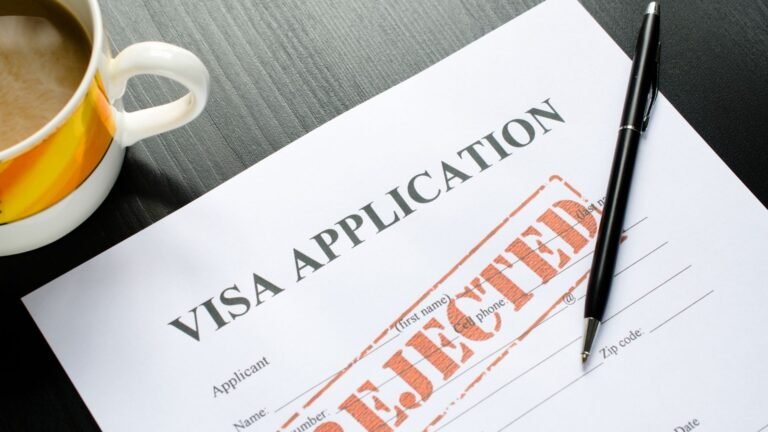
Why Was Your Visa Refused?
A visa can be refused for a variety of reasons.
These may include concerns about:
- Eligibility requirements
- Financial evidence
- Genuine intention
- Supporting documents
- Sponsorship
- Immigration history
- Previous refusals
- English language requirements
- Relationship evidence
- Credibility
- Suitability or criminality
- The information provided in the application
The refusal letter should explain the reasons for the decision.
Reviewing the Refusal
The first step is to understand exactly why the application was refused.
Our immigration solicitors can review:
- The refusal letter
- The original application
- Documents submitted
- Supporting evidence
- Immigration history
- Relevant Immigration Rules
- Home Office guidance
This can help establish whether the decision appears to contain an error or whether the underlying application needs to be addressed through a new application.
Administrative Review
Some visa refusals carry a right to administrative review.
Where available, administrative review is intended to identify whether the Home Office made a relevant caseworking error.
The applicant must normally submit the review within the applicable deadline.
Appeal Rights
Some immigration decisions carry a right of appeal to the First-tier Tribunal.
However, many visa refusals do not provide a general right of appeal.
The decision letter should be checked carefully to establish whether an appeal is available.
Where there is no right of appeal, an administrative review or another legal remedy may potentially be relevant depending on the circumstances.
Judicial Review
Judicial review may potentially be considered where the decision is alleged to be unlawful and there is no adequate alternative remedy.
It is not normally a general opportunity to submit a stronger application or simply disagree with the Home Office’s assessment.
The legal grounds must be carefully identified.
Fresh Visa Applications
In some cases, making a new visa application may be more appropriate than challenging the original refusal.
This may be particularly relevant where the refusal identifies a genuine weakness in the application that can be corrected with additional evidence.
However, making a fresh application does not automatically resolve the issues raised in the original refusal.
The previous refusal may need to be disclosed and addressed where required.
Evidence for a Refusal Challenge
The evidence required depends on the reason for refusal.
This could include:
- Financial evidence
- Employment documents
- Sponsorship documents
- Relationship evidence
- Educational documents
- Travel history
- Immigration documents
- Additional explanations
- Evidence correcting factual errors
- Documents addressing concerns raised by the Home Office
The evidence should directly address the reasons for refusal.

Refusals Based on Suitability
Some refusals may involve suitability concerns, including previous immigration breaches or criminal convictions.
These cases can require particularly careful consideration because the consequences may extend beyond the immediate visa application.
The relevant Immigration Rules and the applicant’s full history should be reviewed before deciding how to proceed.
Deadlines for Challenging a Refusal
The deadline will depend on the type of challenge available.
Where an appeal is available, the current general deadline is 14 days from receipt of the decision for applicants in the UK and 28 days for applicants outside the UK, subject to the applicable rules.
Administrative review has its own requirements and deadlines.
How We Can Help
SWM Solicitors can assist with:
- Reviewing visa refusal letters
- Identifying potential errors
- Assessing administrative review options
- Assessing appeal rights
- Considering judicial review
- Preparing refusal challenges
- Reviewing supporting evidence
- Advising on fresh applications
- Addressing previous refusals
We can explain the available options and help you determine the most appropriate way to respond to your visa refusal.